Written by: Mariana Fonseca, Editorial Team, AI Growth Agent | Last updated: July 29, 2026
Key Takeaways for B2B SaaS Teams
- Zero-click AI surfaces now intercept most B2B research, which collapses traditional distribution ROI and makes AI citation eligibility a priority.
- Owned channels like email newsletters and the company blog deliver the highest long-term returns because they compound without algorithm or CPM risk.
- Platforms such as LinkedIn, YouTube, Reddit, and content syndication networks each serve distinct buyer stages and require native formats plus authentic participation to earn AI citations.
- Repurposing a single authoritative asset across multiple channels multiplies reach and pipeline influence without multiplying production costs.
- AI Growth Agent acts as the headless engine that owns the site, schema, and self-healing update cycle so every distribution effort compounds into AI citations and pipeline. Schedule a demo to see it in action.
1. Owned Email Newsletters That Buyers Actually Read
Email remains the highest-return owned channel in B2B SaaS. It delivers strong returns for every dollar spent and serves as the primary communication channel preferred by a majority of B2B buyers. The subscriber list is an asset the brand controls outright, with no algorithm deciding reach or throttling visibility. For mid-market and enterprise SaaS, newsletters work best at the consideration and decision stages, when buyers already understand the problem and want proof, benchmarks, and vendor comparisons delivered on a predictable cadence.
The format that performs in 2026 is editorial, not promotional. High-performing B2B SaaS email newsletters use a distinct editorial voice, a consistent cadence, and a clear niche, while generic monthly product updates get ignored or marked as spam. To make that editorial approach compound over time, start by segmenting the list by buyer stage and ICP role so each subscriber receives content that matches their decision phase. Then send consideration-stage content such as comparison guides, benchmark data, and case studies to mid-funnel segments, and track reply rate and repeat clicks rather than open rate alone, since these metrics reveal genuine engagement. Segmented emails drive more opens and click-throughs than unsegmented B2B campaigns.
2. Company Blog with Full Technical and Agentic SEO
The company blog acts as the compounding foundation of every distribution strategy. A well-structured piece published today can generate organic sessions in month three, twelve, and thirty-six without ongoing ad spend, and SEO delivers the highest long-term ROI among B2B SaaS acquisition channels, with best-in-class companies drawing a majority of traffic from organic search. In 2026, the blog must serve two readers at once: the human buyer and the AI crawler. A blog built only for human readability stays invisible to the systems that now decide what gets cited.
Agentic SEO closes that gap between human and AI readers. The technical stack required for AI citation eligibility includes structured HTML, full schema markup, llms.txt and llms-full.txt files, Blog MCP endpoints, agent discovery via /.well-known/, a proper sitemap.xml, and living content that self-heals instead of going stale. A majority of AI citations come from content published or updated within the past year, so a blog that ships and forgets loses citation eligibility within one to two quarters. The practical workflow is simple: publish authoritative long-form content against the evidence-based long tail of buyer queries, retrofit internal links to every new piece, and refresh stale articles on a rolling schedule tied to Google Search Console signals and bot-traffic data.
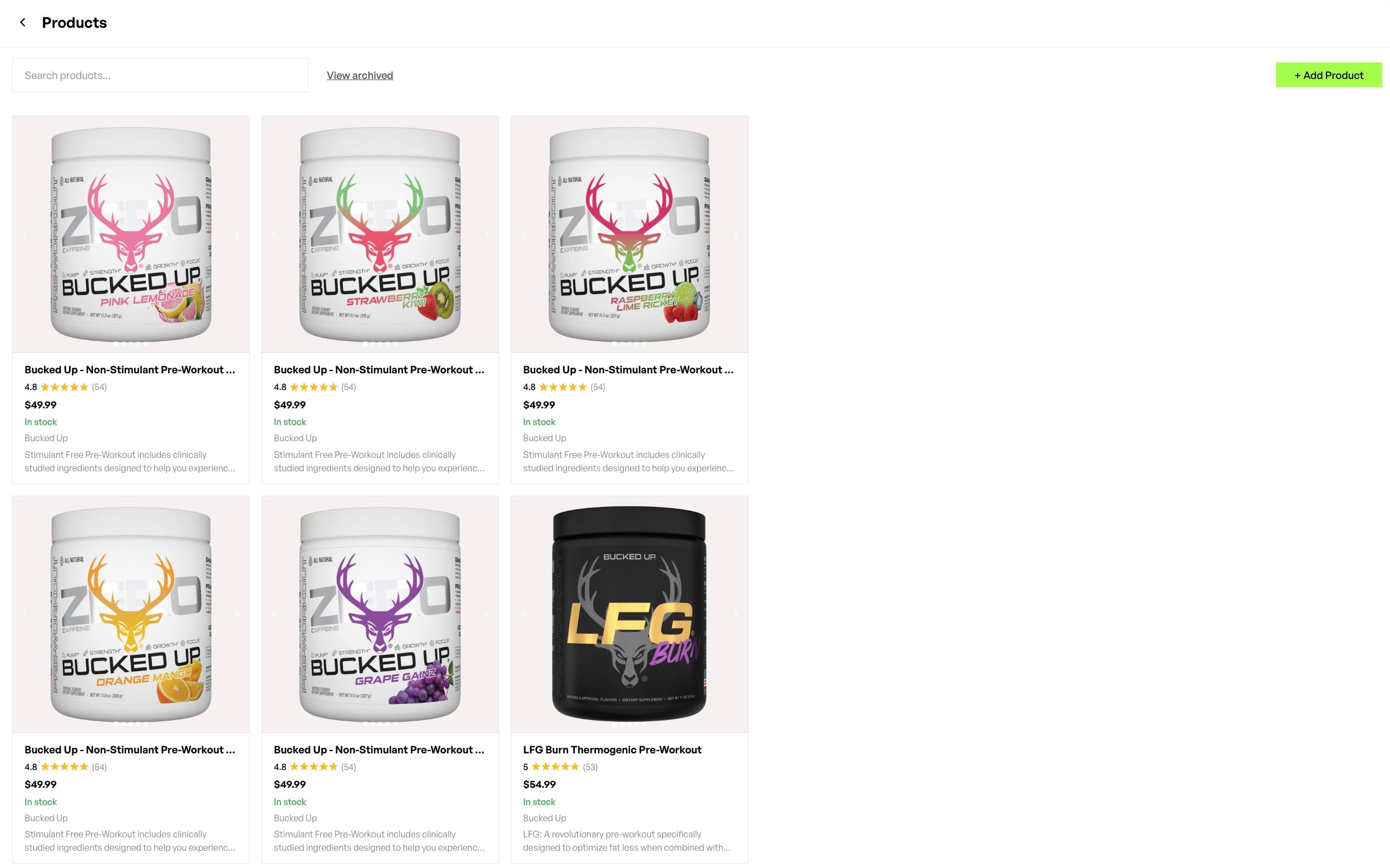
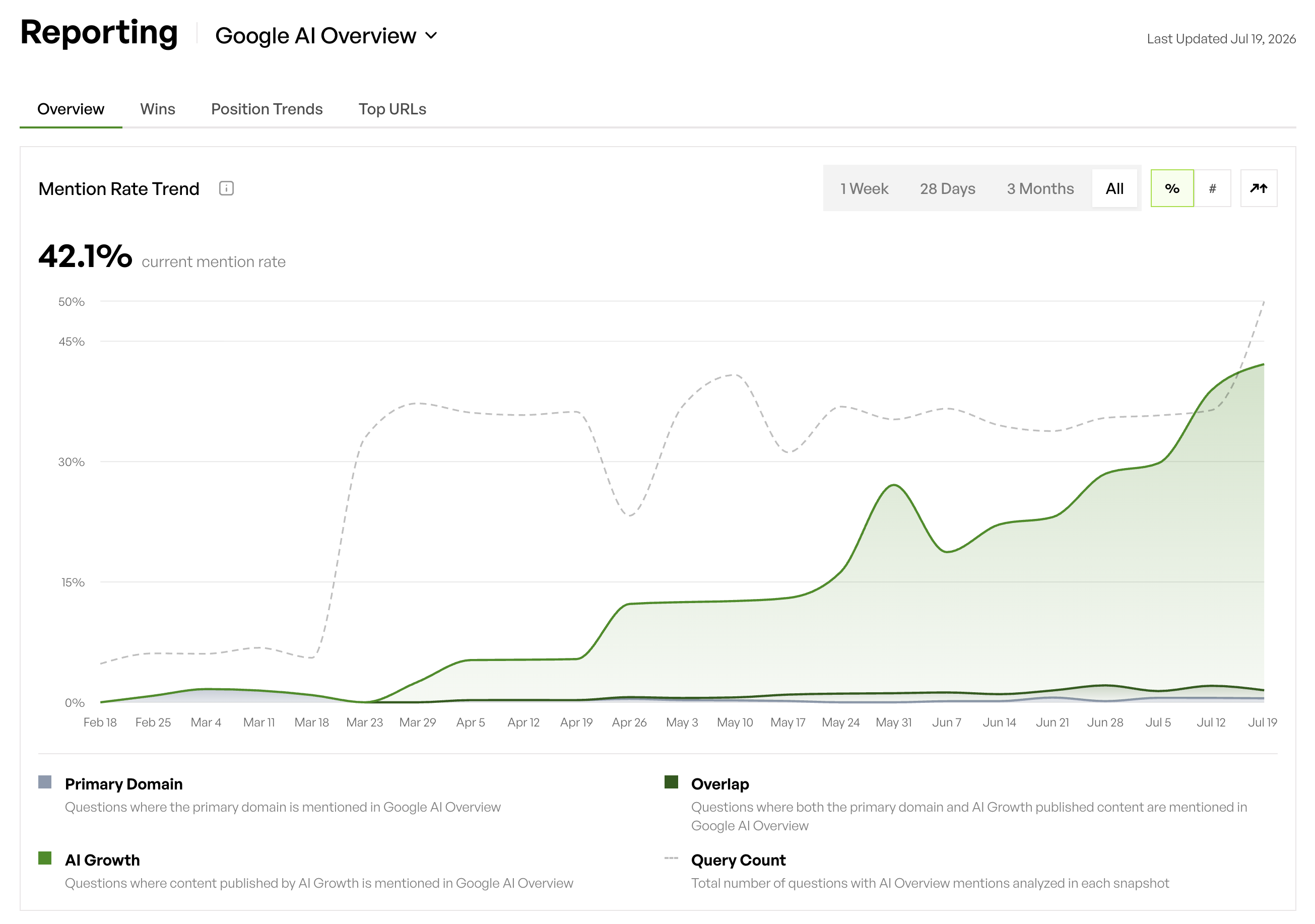
AI Growth Agent is the headless engine built for this channel. It stands up a fully optimized blog the brand owns within the first week, ships every article with the complete technical and agentic SEO stack, and self-heals content over time so authority compounds instead of decaying. The brand does not need a dedicated technical team to maintain this stack.
3. LinkedIn Organic and Sponsored for Social Proof
LinkedIn functions as the default top-of-funnel and mid-funnel channel for B2B SaaS. A majority of all B2B social media leads originate on LinkedIn, and the platform accounts for a significant portion of social traffic to B2B websites. LinkedIn serves awareness and consideration stages at the same time: organic founder content builds trust with problem-aware buyers, while Sponsored Content and Thought Leader Ads reach decision-makers who have not yet found the brand. A large share of LinkedIn members drive business decisions, with tens of millions of senior-level influencers active on the platform.
The format hierarchy in 2026 favors carousels and video over link posts. Native document posts (PDF carousels) generate the highest LinkedIn engagement rate, followed by multi-image posts. On the paid side, LinkedIn Ads delivered strong ROAS in 2025 (121%), outperforming Google Search (67%) and Meta (51%) according to the Dreamdata report published in 2026. The workflow that converts starts with founder-led organic posts three to four times per week that share practitioner insights and specific data. The team then amplifies the highest-performing posts as Thought Leader Ads. Founder content on LinkedIn out-converts brand content by a significant margin because algorithms weight it more heavily and comments cluster around individuals.
4. YouTube Long-Form and Shorts for Video-First Buyers
YouTube serves the awareness and consideration stages for B2B SaaS buyers who prefer video over text for initial research. Many video marketers report that video delivers strong ROI, and marketers widely treat video as an effective B2B content type. Long-form YouTube content builds durable authority on high-intent topics, while Shorts extend reach to buyers earlier in the discovery process. Critically, YouTube is one of the platforms AI engines actively cite: a Semrush study of over 150,000 LLM citations found YouTube appearing in a significant portion of citations, which places it alongside Google as a trusted source for AI-generated answers.
The repurposing workflow maximizes ROI from each recording. Produce one long-form video per month on a high-intent buyer question, extract three to five short clips for Shorts and LinkedIn, and publish a companion blog post with the full transcript and structured schema. A single repurposed whitepaper campaign once delivered substantial impressions and demo requests at a lower cost per lead, while the original single-format promotion produced fewer demo requests at a higher CPL. The same compounding logic applies to video: one anchor asset distributed across formats multiplies reach without multiplying production cost.
5. Reddit and Niche Communities for Earned Trust
Reddit is the most-cited domain in AI-generated answers, which makes it an earned channel with direct implications for AI citation strategy. Reddit is the most-cited domain in AI-generated answers, accounting for roughly 40% of citations according to Semrush analysis of over 150,000 LLM responses, which serves as a trust signal that helps AI platforms decide which brands to recommend. For B2B SaaS, the relevant surfaces are subreddits organized around the buyer’s problem domain, not the vendor’s product category. Buyers at the awareness and consideration stages use these communities for peer validation before they engage with vendor content.
Participation needs to stay authentic and problem-first. Q&A threads and comparison posts account for a majority of Reddit content cited by AI, so the format that earns citations is the direct, specific answer to a buyer question, not a promotional post that pushes a product page. The workflow is straightforward: identify the five to ten subreddits where the ICP discusses the problem the product solves, contribute substantive answers to active threads, and link to owned content only when it directly answers the question asked. Niche Slack groups, industry Discord servers, and vertical forums follow the same logic and capture dark social sharing that attribution models often miss.
6. Content Syndication Networks for Scaled Reach
Content syndication extends owned content to audiences that have not yet discovered the brand, which serves the awareness and early consideration stages for mid-market and enterprise SaaS with longer sales cycles. High-quality B2B content syndication programs can yield strong ROI within three years when teams measure by pipeline contribution rather than raw lead volume. The channel works best when the asset is original research, a benchmark study, or a buyer’s guide instead of a lightly repurposed blog post, and when the syndication partner can target by firmographic and intent signals rather than list rental alone.
Operational discipline separates programs that generate pipeline from those that generate volume. The most critical discipline is speed-to-contact, because leads contacted within five minutes of form submission on syndication platforms are significantly more likely to qualify as SQLs than those contacted after 30 minutes, which makes API-based CRM routing a prerequisite rather than a nice-to-have. The evaluation framework for syndication vendors should cover lead verification process, sales acceptance rate, ICP targeting precision, asset requirements, and ROI transparency measured by pipeline contribution. MQL-to-SQL conversion below a defined threshold signals targeting or verification issues and warrants a vendor conversation before the team scales spend.
The Repeatable Distribution Engine Behind These Channels
Each channel above compounds when it feeds the same authoritative content base. Email newsletters drive readers to the blog, which then deepens understanding and captures intent. The blog earns AI citations that surface in Reddit threads and LinkedIn discussions, which reinforces authority in both human and AI contexts. LinkedIn posts amplify the blog’s reach and generate the social proof that syndication partners and AI engines treat as a trust signal, which improves performance on paid and earned surfaces. YouTube content extends the blog’s authority into video search and AI-cited sources, which brings in buyers who prefer to watch instead of read.
The brands winning this cycle in 2026 are not running six disconnected tools and six agency relationships. They rely on one headless engine that owns the site, the schema, the agentic SEO stack, and the self-healing update cycle, so every distribution effort compounds into AI citations and pipeline without additional headcount. AI Growth Agent is built to serve as that single engine behind the strategy, not as another tool the team needs to manage.
Frequently Asked Questions
What does “AI citation” mean for B2B SaaS content distribution, and why does it matter more than traditional rankings in 2026?
An AI citation occurs when a large language model such as ChatGPT, Perplexity, or Google’s AI Mode references a brand’s content as a source while answering a buyer’s question. Traditional search rankings assigned a position number to a URL. AI answers have no static ordered list, so the relevant metrics are whether the brand appears in the answer, where in the answer it appears, and what claim it is cited for. This matters because a growing share of B2B buyers now begin their research in an AI chatbot rather than a search engine. When an AI answer names a competitor and not your brand, the buyer may never reach your website at all. Building for AI citation eligibility requires structured content, validated claims, fresh updates, and the technical stack that lets AI crawlers read and trust the content, including schema, llms.txt files, and MCP endpoints.
How should a B2B SaaS team prioritize distribution channels when budget and headcount are limited?
The evidence-based starting point prioritizes owned channels first, earned channels second, and paid channels third. Owned email and the company blog compound over time and are not subject to platform algorithm changes or rising CPMs. Earned channels like LinkedIn organic, Reddit, and niche communities build the third-party citations that AI engines weight heavily. Paid channels including LinkedIn Sponsored Content and content syndication amplify what already works rather than substituting for it.
For teams with limited resources, the practical move is to concentrate on two or three channels where the ICP is most active, repurpose each anchor asset into channel-native formats instead of copy-pasting, and measure pipeline influence rather than vanity metrics. A single well-researched long-form piece repurposed into ten derivatives generates materially more attributed pipeline touchpoints per content investment than ten separate pieces published once and abandoned.
What content formats earn the most AI citations for B2B SaaS topics in 2026?
Original research, benchmark studies, and buyer’s guides earn the most AI citations because journalists, community members, and other publishers reuse them, which creates the third-party mentions that AI engines treat as trust signals. Decision-stage content that directly answers buyer questions, such as alternatives comparisons, integration guides, and use-case fit pages, also earns citations because it matches the question-answering format AI surfaces prefer. The structural requirements for citation eligibility include leading with a direct answer, naming conditions where each option wins or loses, linking to primary sources, keeping claims precise and verifiable, and assigning a named maintainer with a review schedule so the content stays fresh. Generic top-of-funnel content that does not answer a specific buyer question rarely earns AI citations regardless of how well it ranks in traditional search.
How do B2B SaaS teams measure content distribution ROI without perfect attribution?
The practical measurement framework uses three tiers: engagement quality, pipeline influence, and brand and demand signals. Engagement quality covers scroll depth, time on page, email reply rates, and substantive comments. Pipeline influence includes assisted conversions, content-attributed opportunities, and share of closed-won deals touched by specific assets. Brand and demand signals include branded search lift, direct traffic growth, and qualified inbound demo requests.
The average B2B buyer journey now spans many months and involves numerous touchpoints across multiple channels, so last-click attribution systematically underestimates content marketing’s contribution. The most reliable signal comes from capturing content source at the conversion moment, typically through a “how did you hear about us” field or CRM tagging, and tracking whether organic leads increase after a distribution program launches. Teams that measure only media spend instead of fully loaded CAC overstate channel efficiency, which skews budget decisions away from the content channels that actually compound.
What is the difference between a content distribution strategy and a headless marketing engine, and when does a B2B SaaS team need the latter?
A content distribution strategy is a plan for getting finished content to the right channels. A headless marketing engine is the infrastructure that produces, publishes, improves, and self-heals that content on an ongoing basis without requiring a team to manage each step manually. Most B2B SaaS teams have a distribution strategy but lack the engine: they publish a piece, promote it once, and move on, which leaves the content to go stale and lose citation eligibility within a quarter.
The headless engine closes that gap by treating content as a living asset that updates automatically, ships with full technical and agentic SEO on day one, and reports incremental visibility week over week so the team can see exactly what the engine contributed instead of taking credit for visibility the brand already had. A team needs the engine when the manual stack of agencies, tools, and internal resources becomes too slow to keep pace with the AI surfaces that are rewriting discovery in real time.